- 360-degree horizontal digital angle measuring instrument woodworking tool

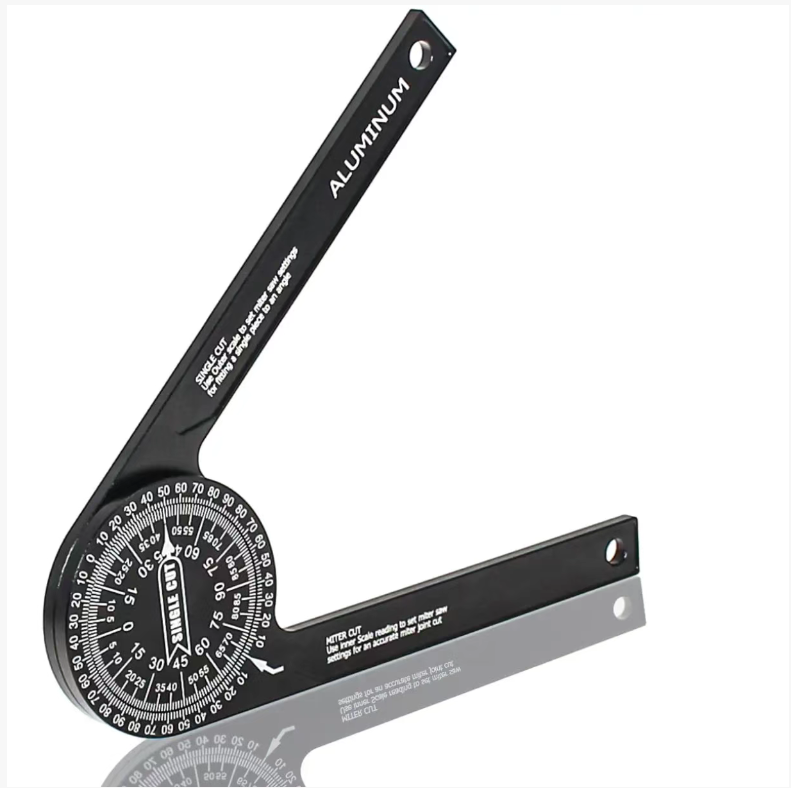
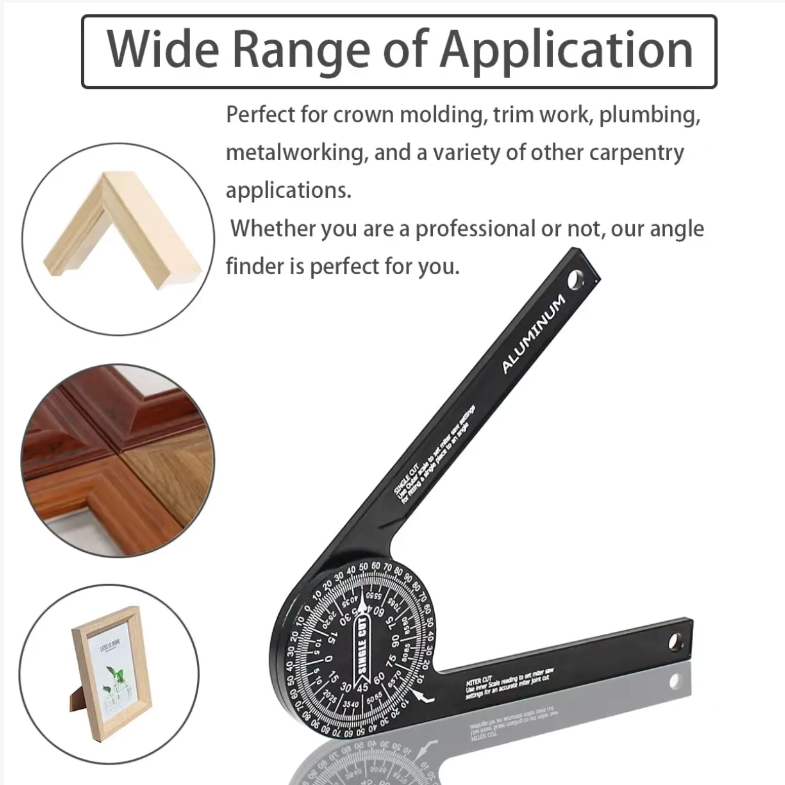
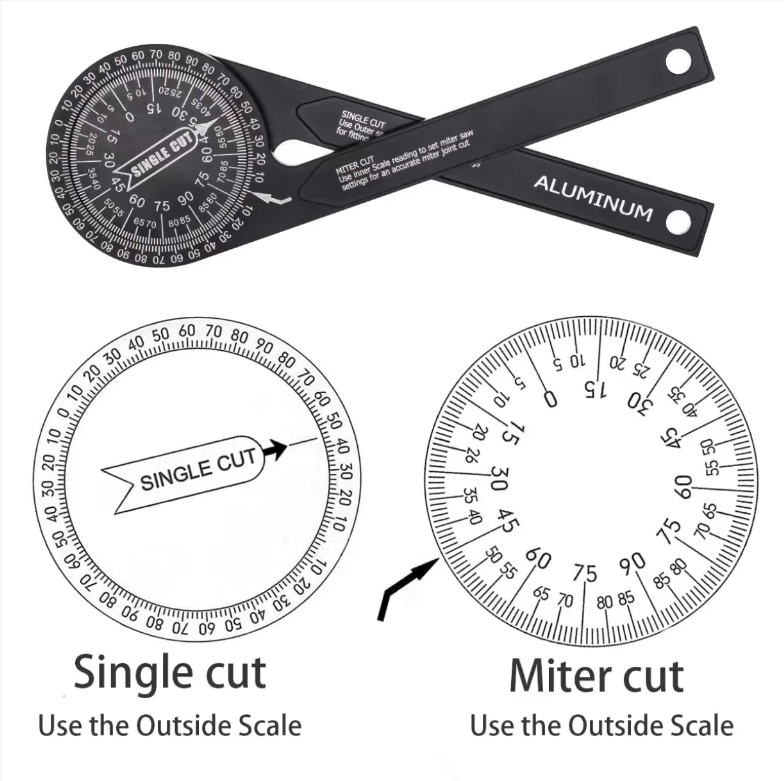
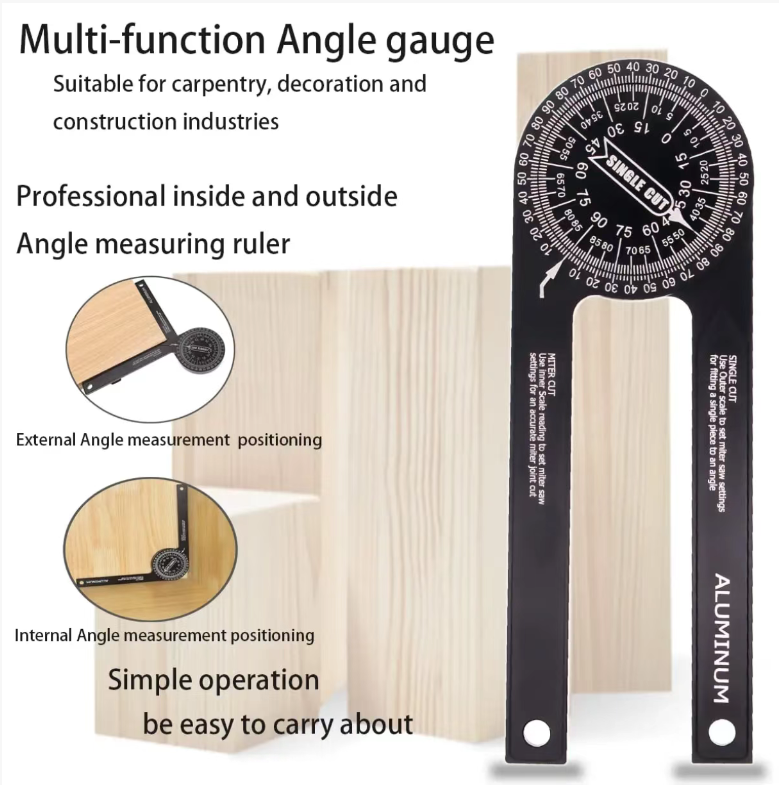
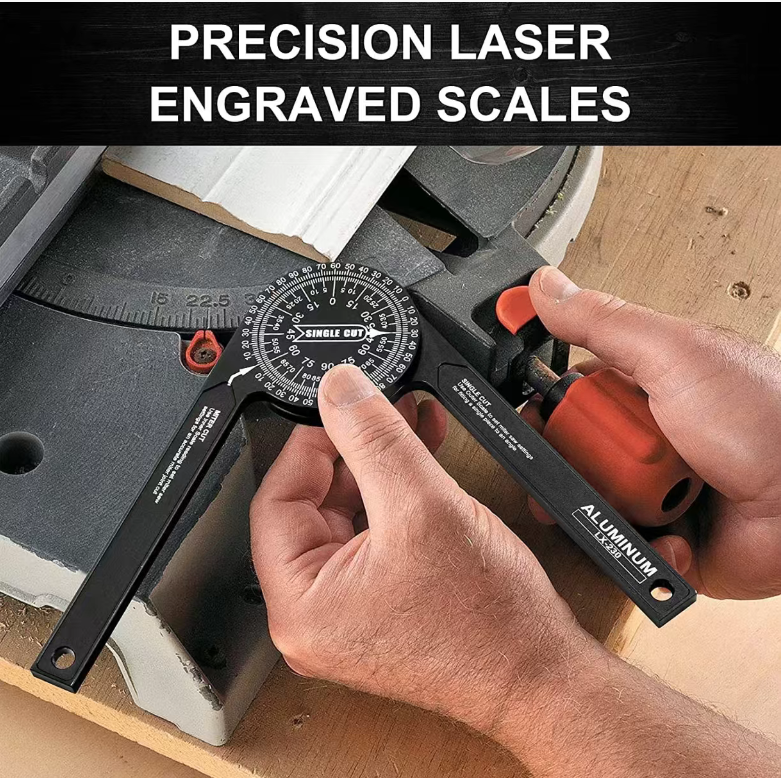
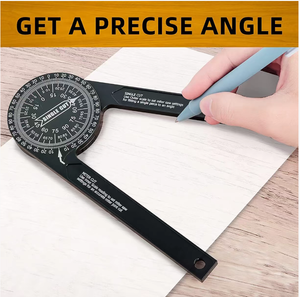
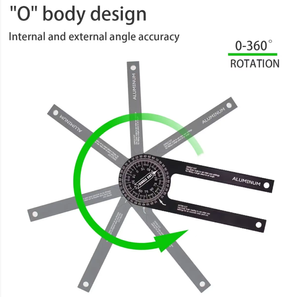
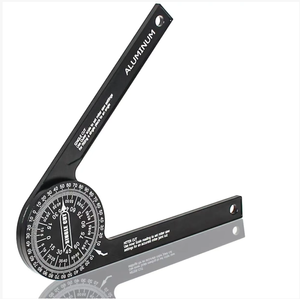
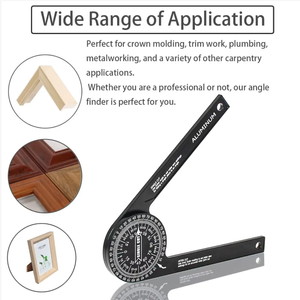
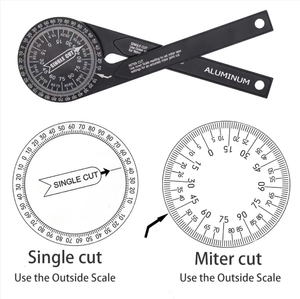
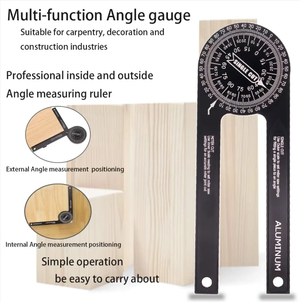
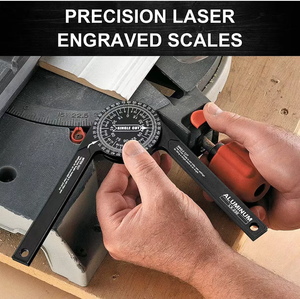
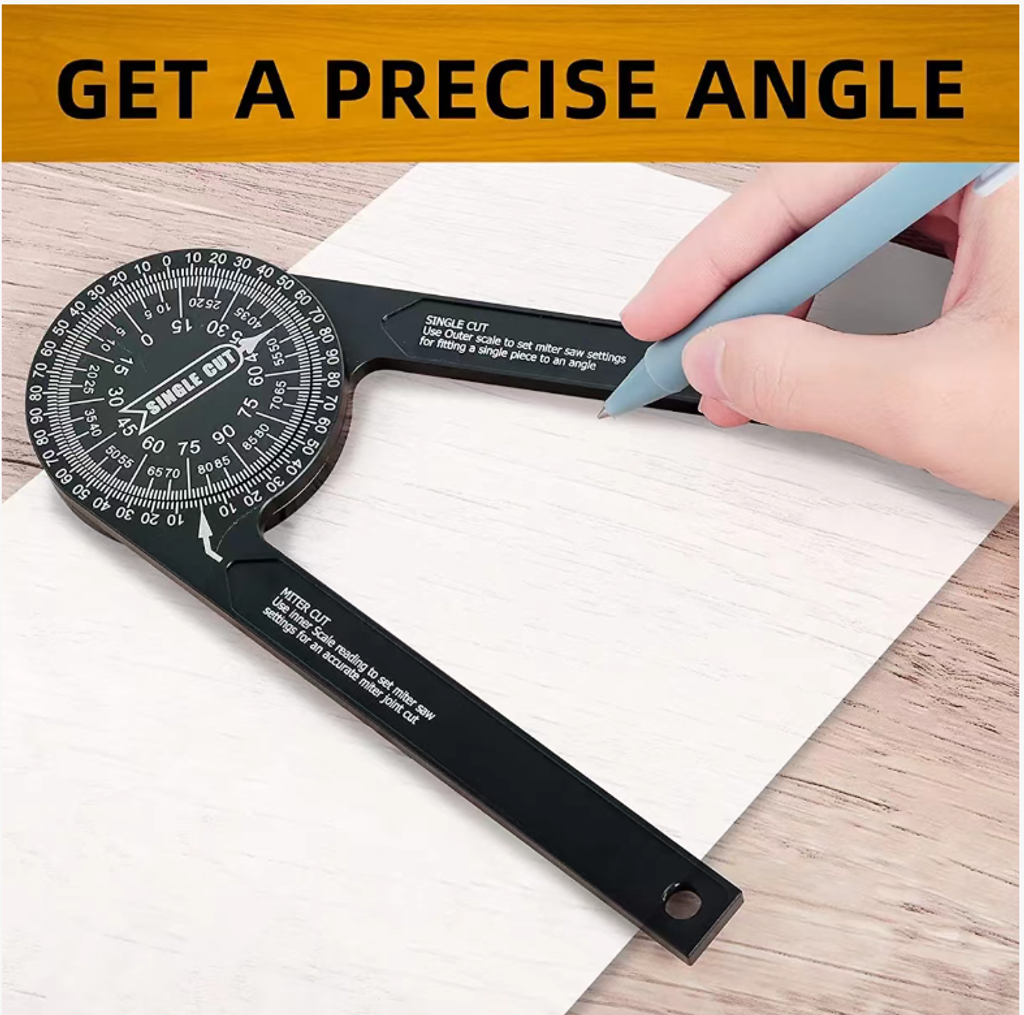
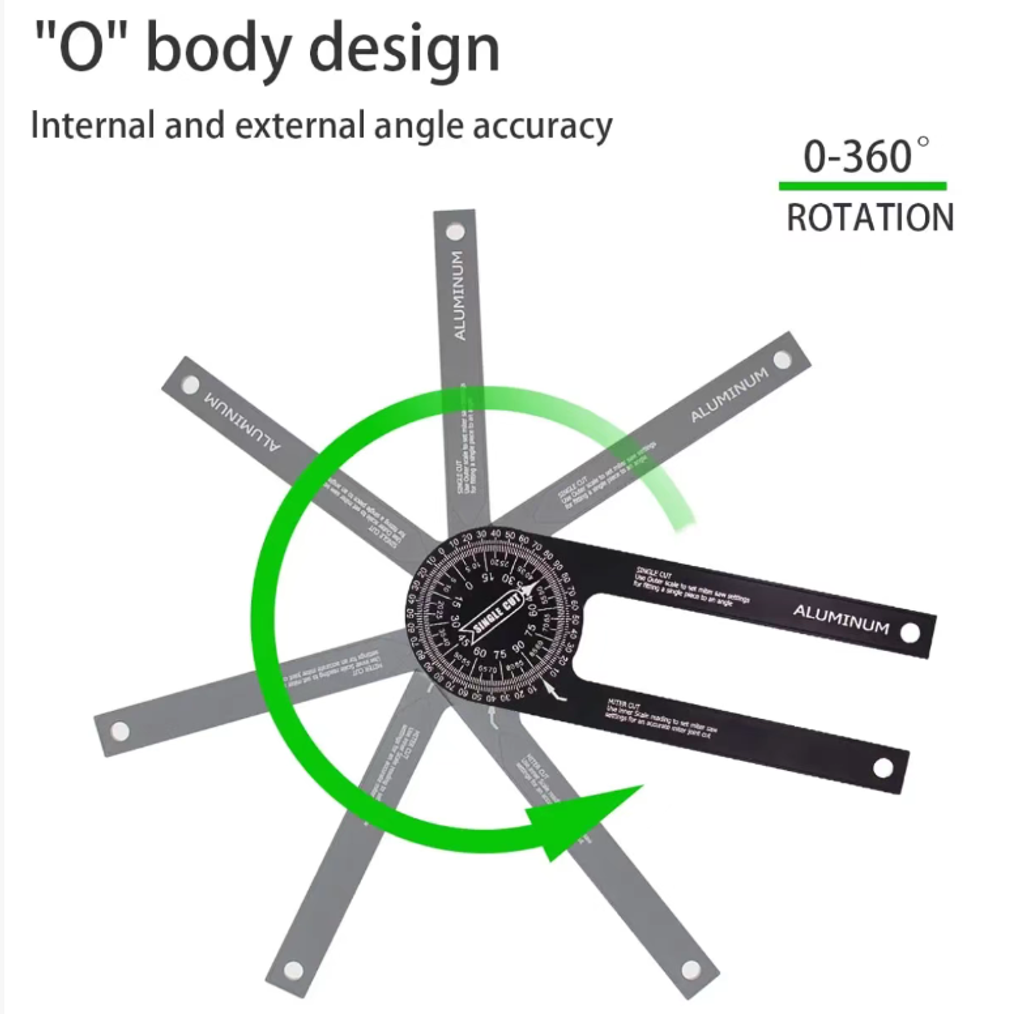
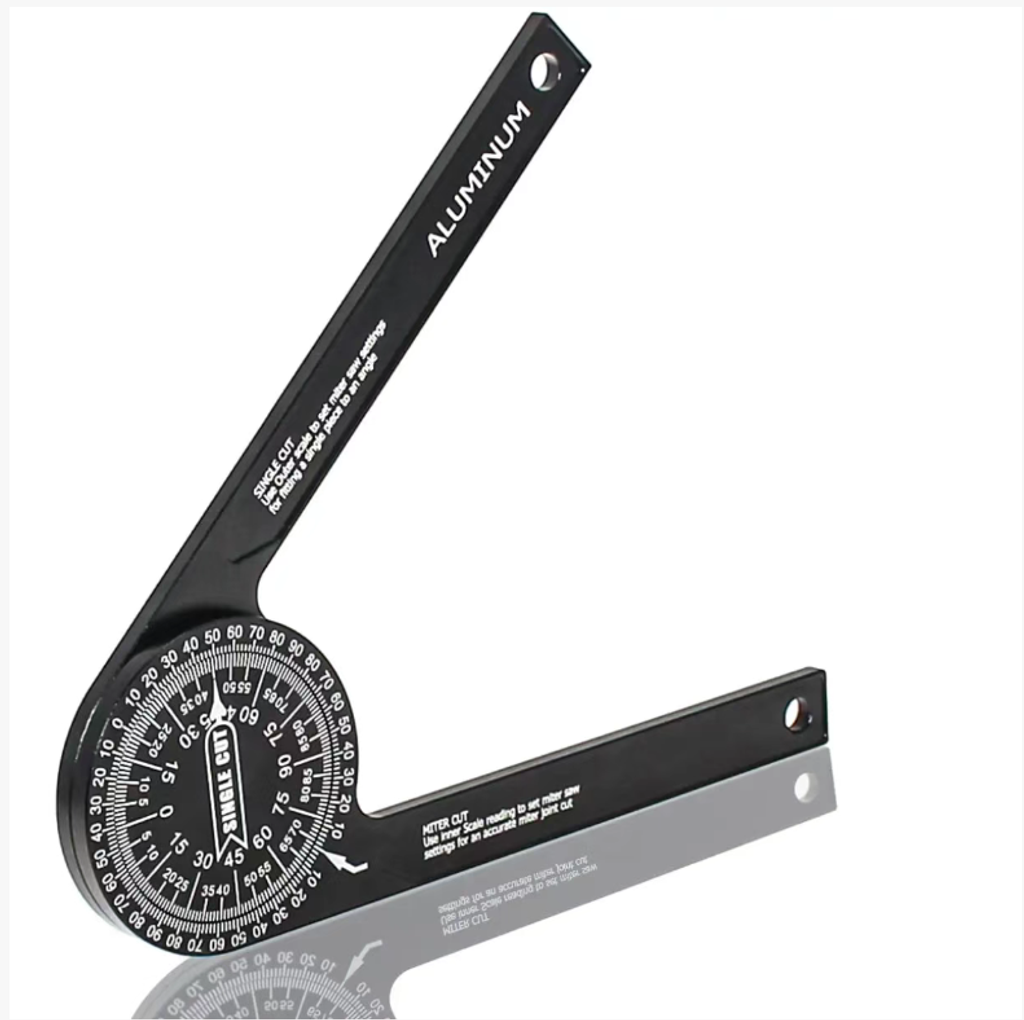
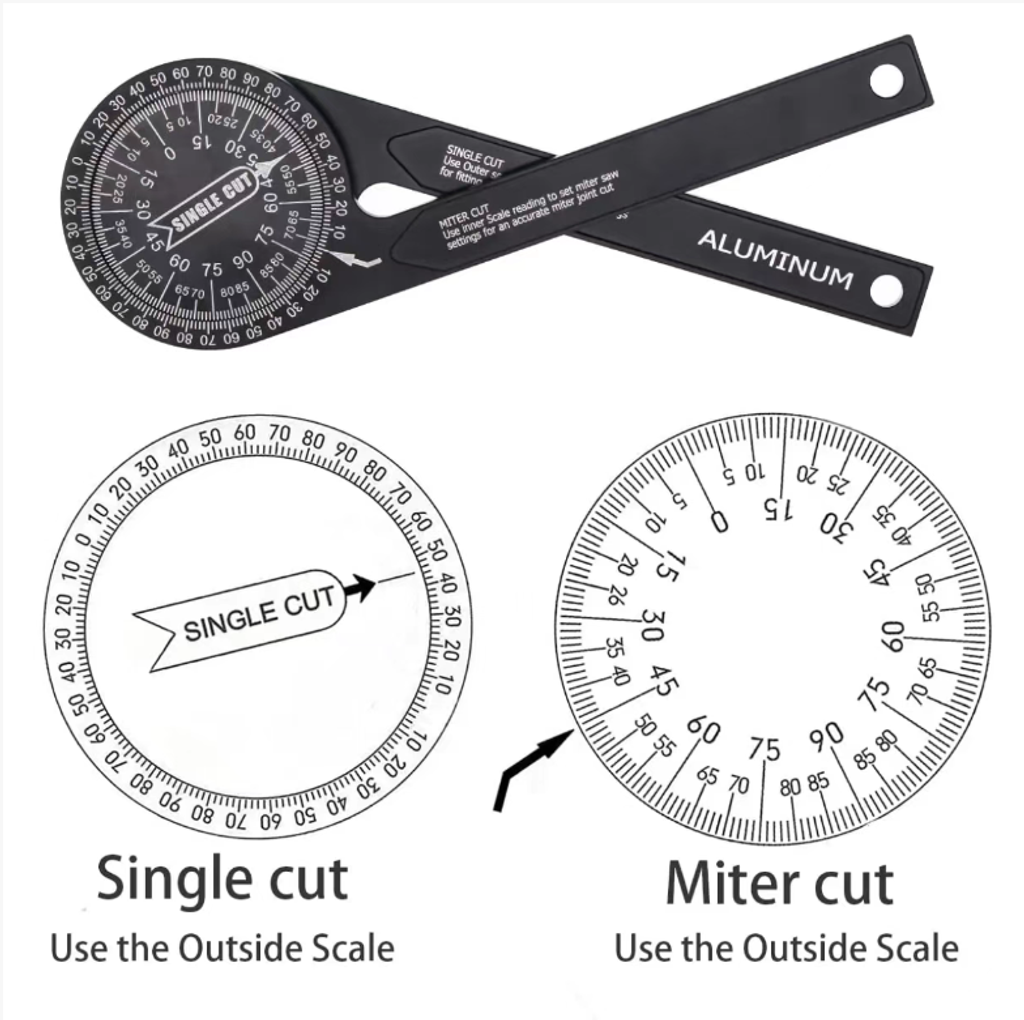
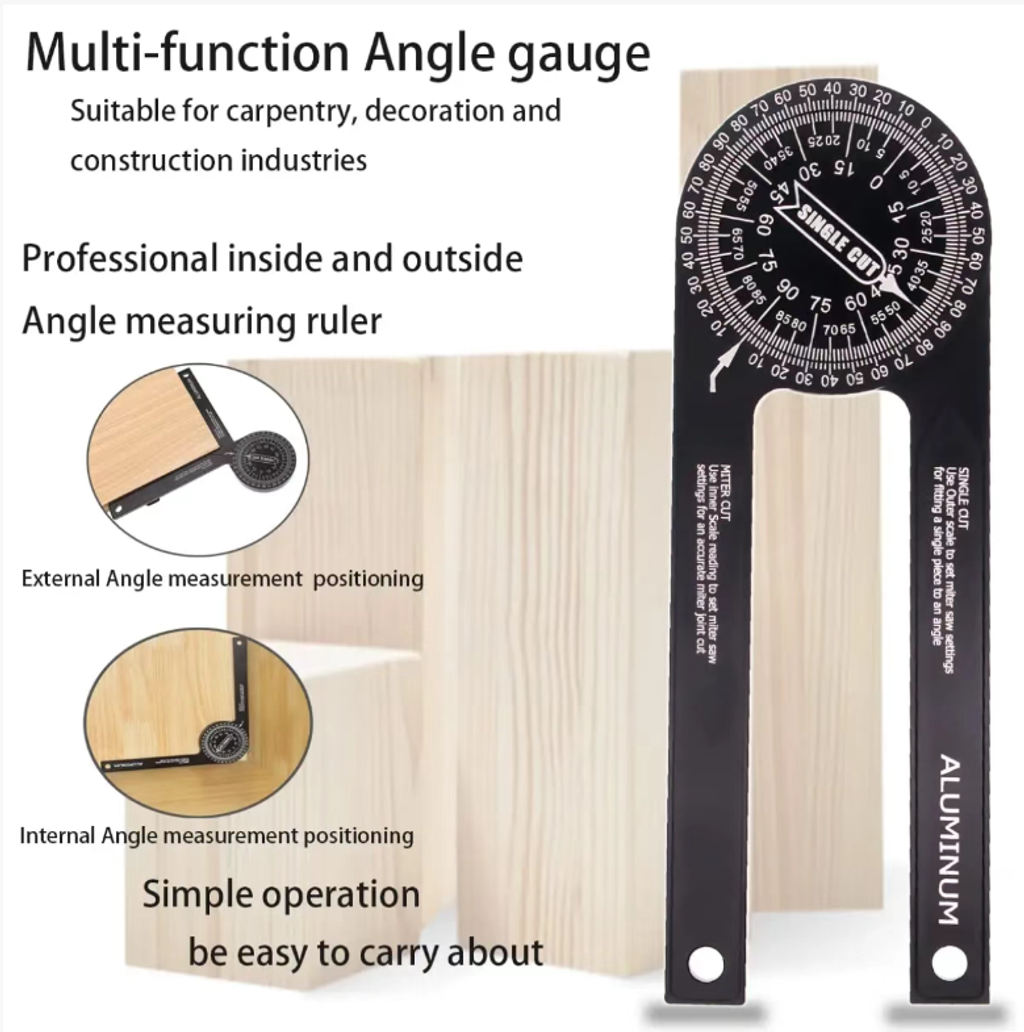
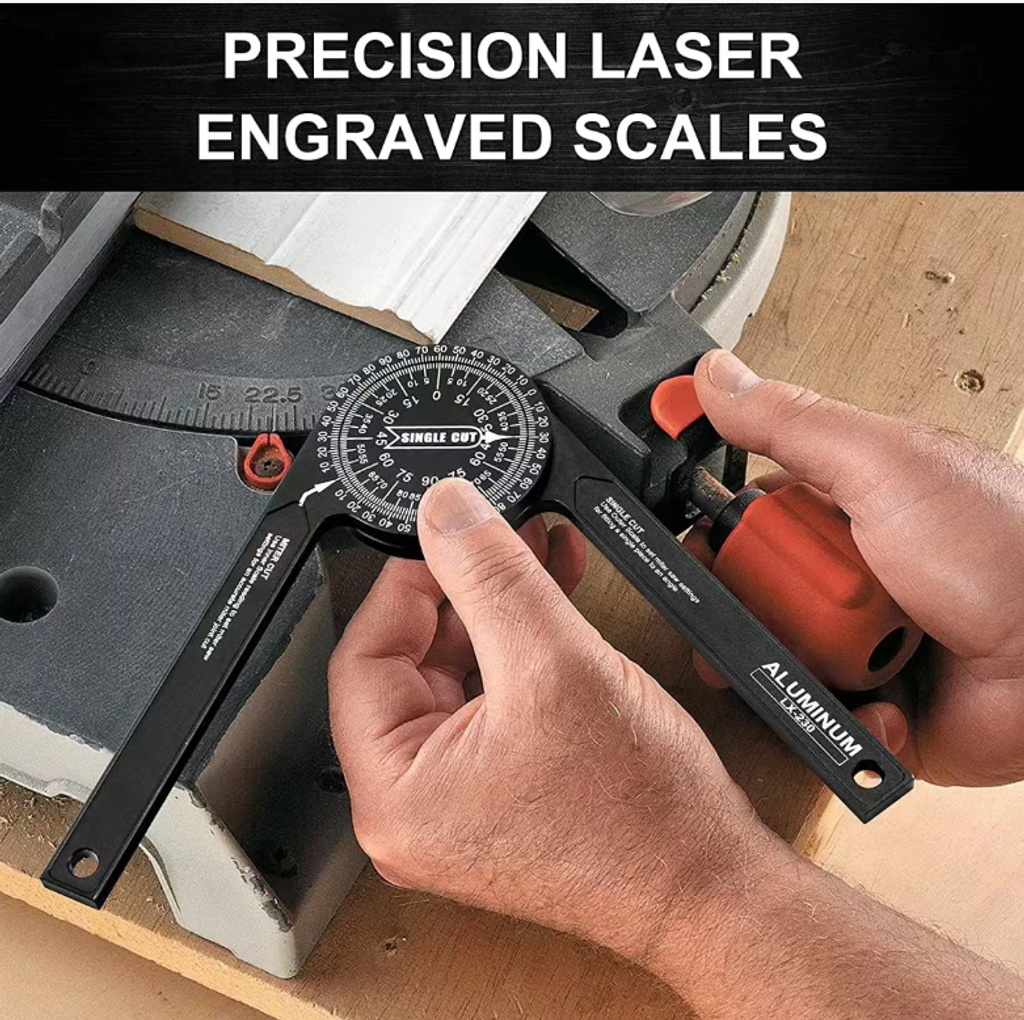
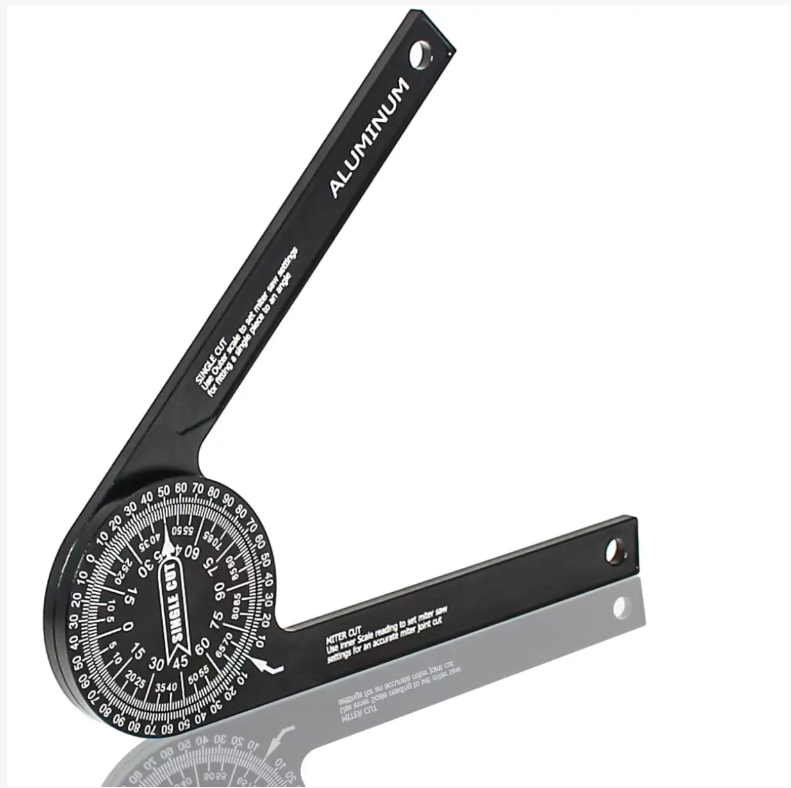
Do you often need to rework due to angle differences when cutting materials and installing corner lines? This horizontal angle gauge features laser-engraved graduations (with precise 0.5-degree accuracy), an aluminum body that is durable and not prone to loosening, and can measure both internal and external angles. It is suitable for woodworking, decoration, and DIY projects. It is portable and lightweight, allowing you to easily adjust the angle and save time and effort by avoiding rework.
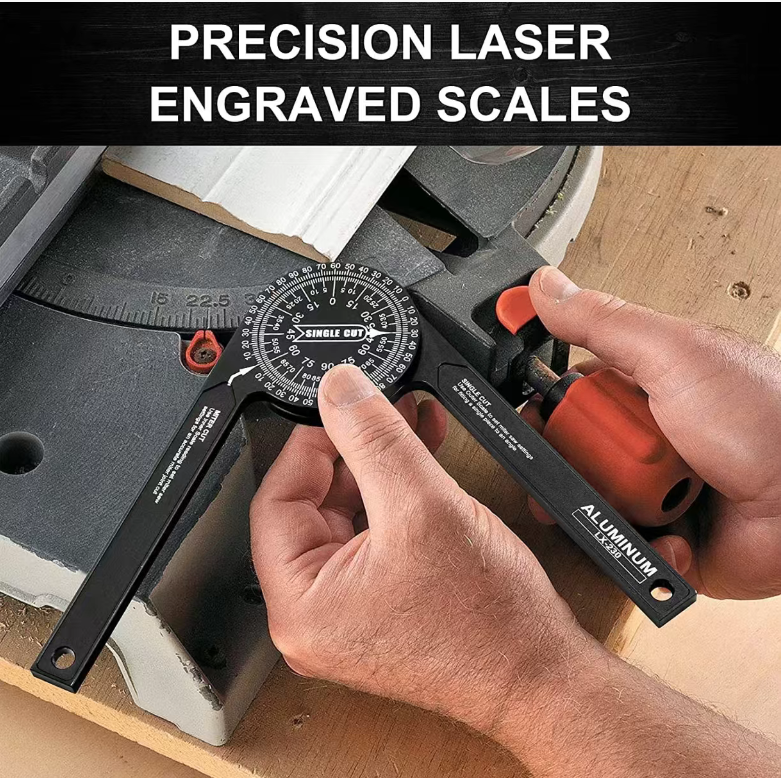
It is best suited for "detail-oriented" users: The scales are laser-engraved, unlike printed scales which wear out after a few uses. No matter how many times you measure, the numbers remain sharp and clear, capable of precisely reaching a difference of 0.5 degrees. When cutting the wood board, precisely mark the angle before making the cut, and the joints fit perfectly without the need for repeated sanding; when attaching the ceiling line, measure the angle once and the corners have no visible gaps, which is ten times more convenient than "estimating the angle by feel".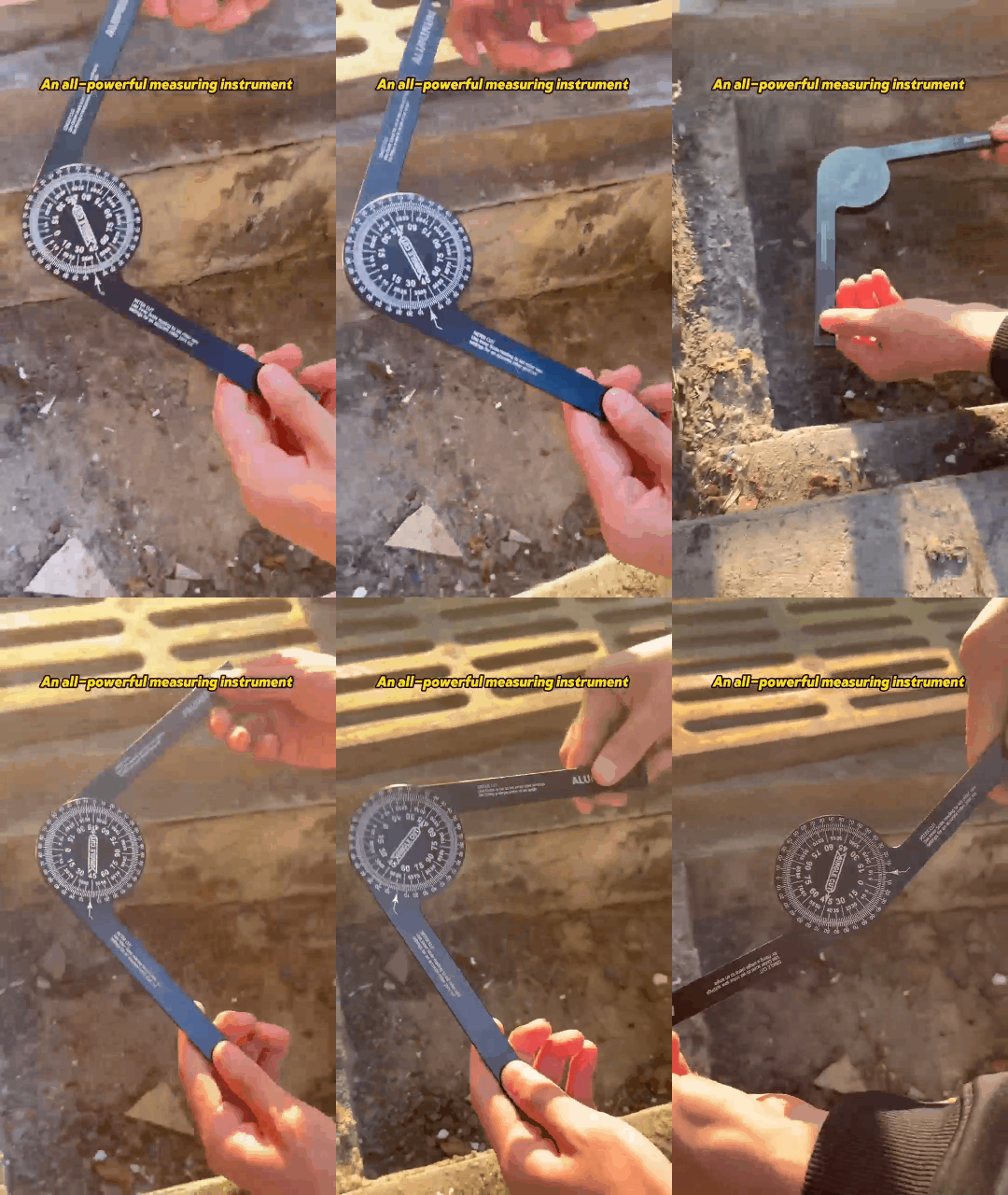
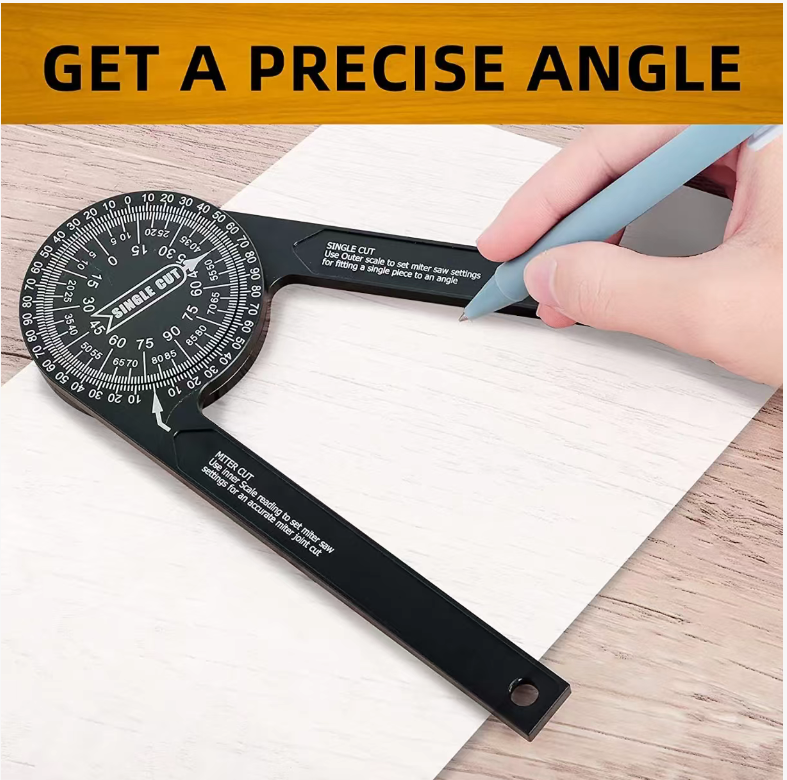
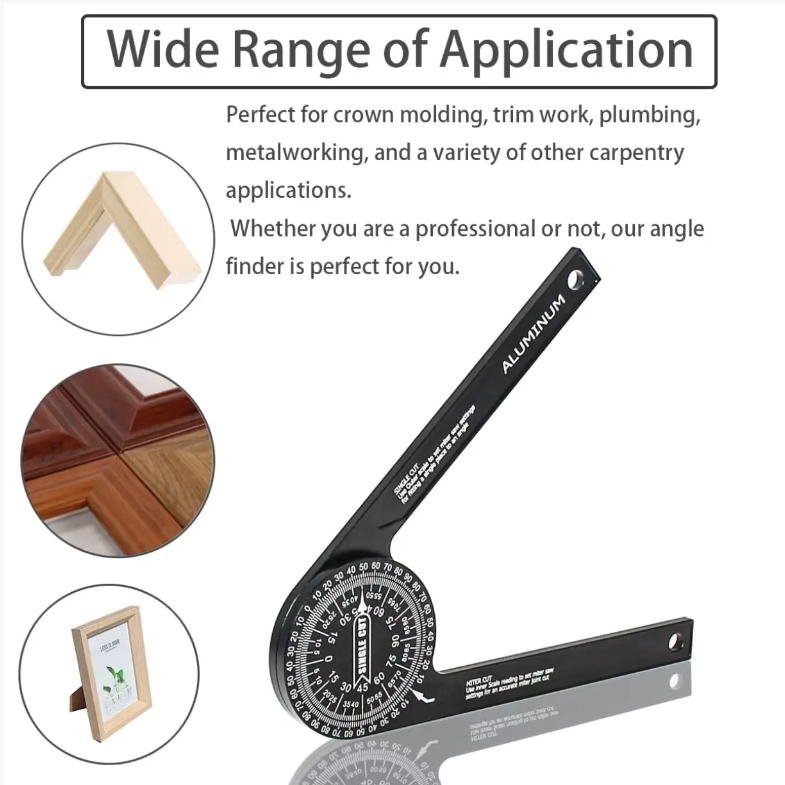
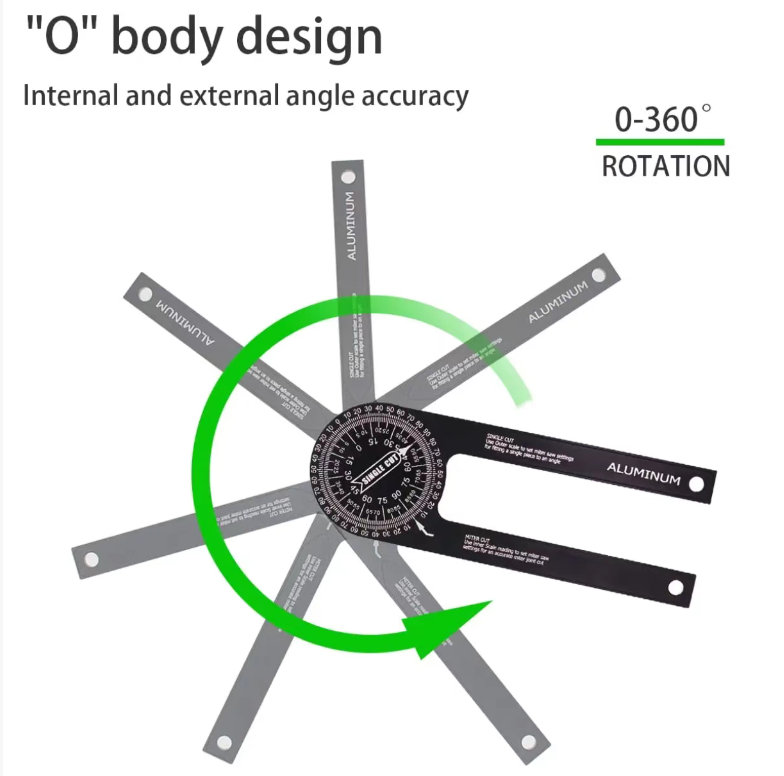
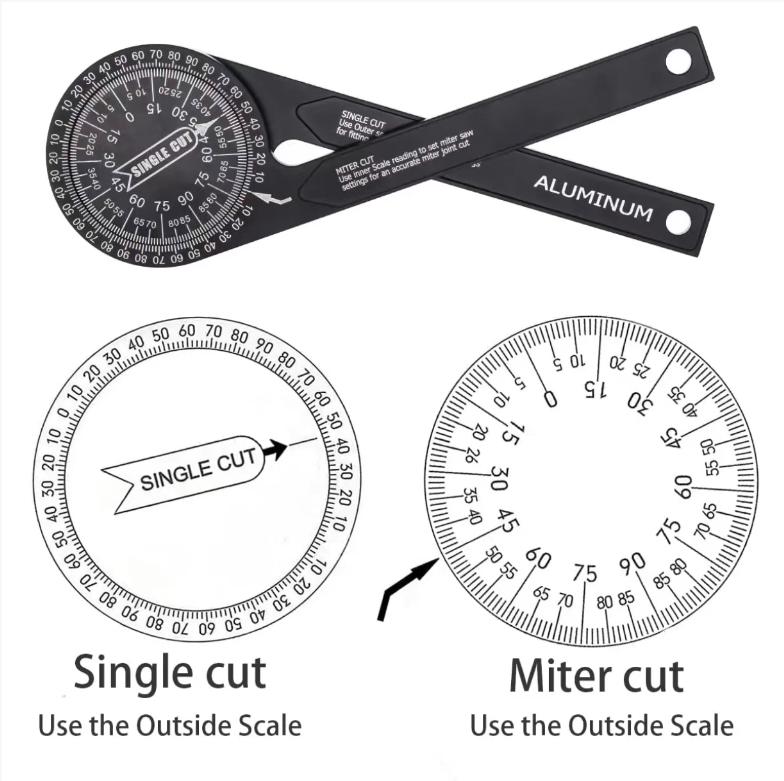
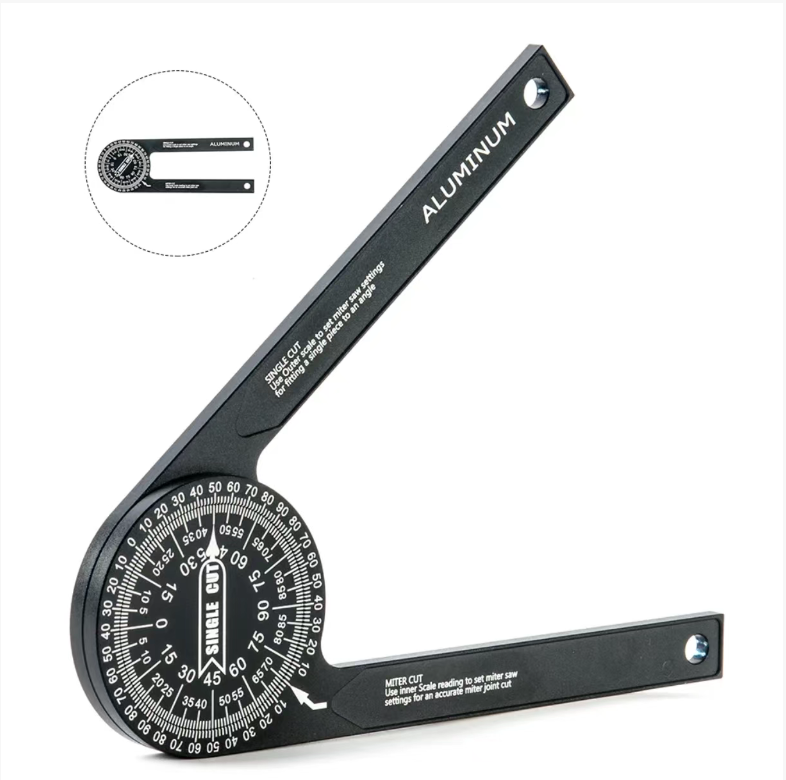
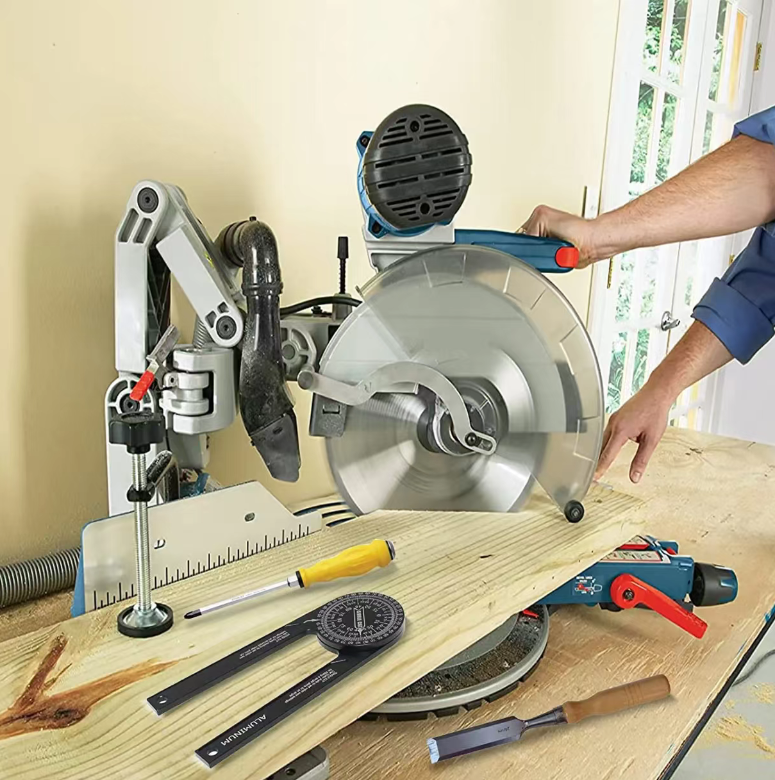

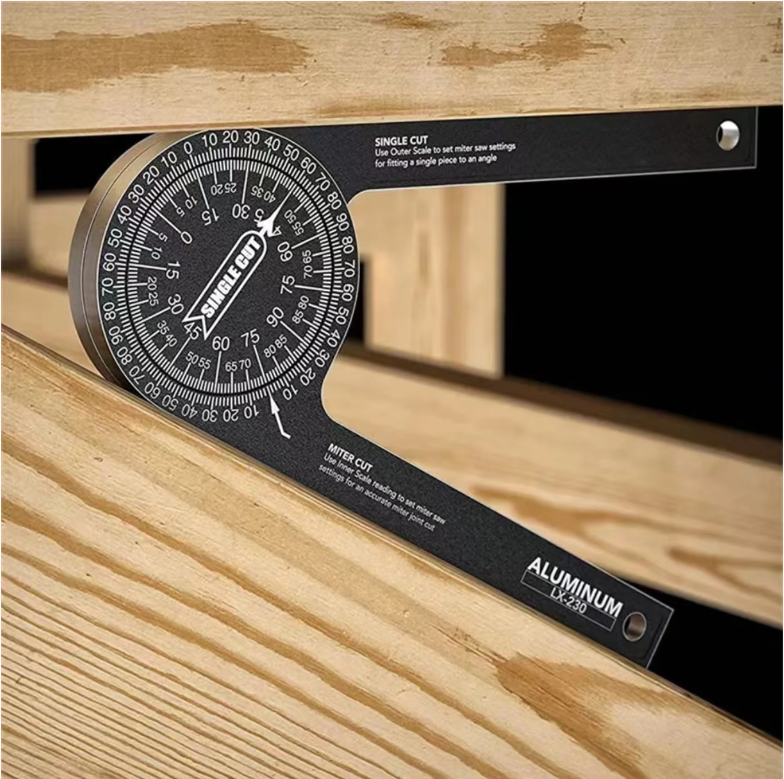

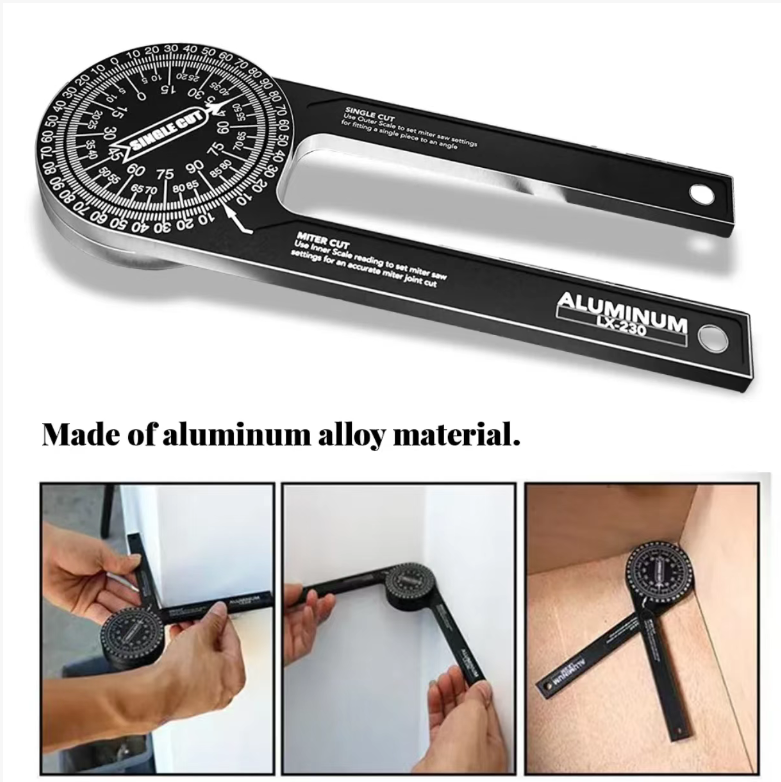
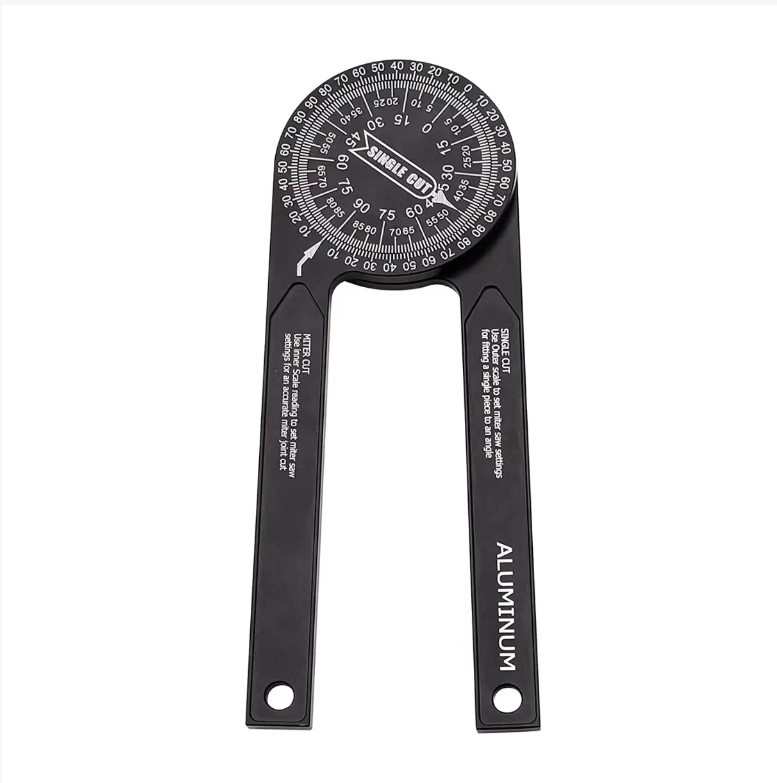
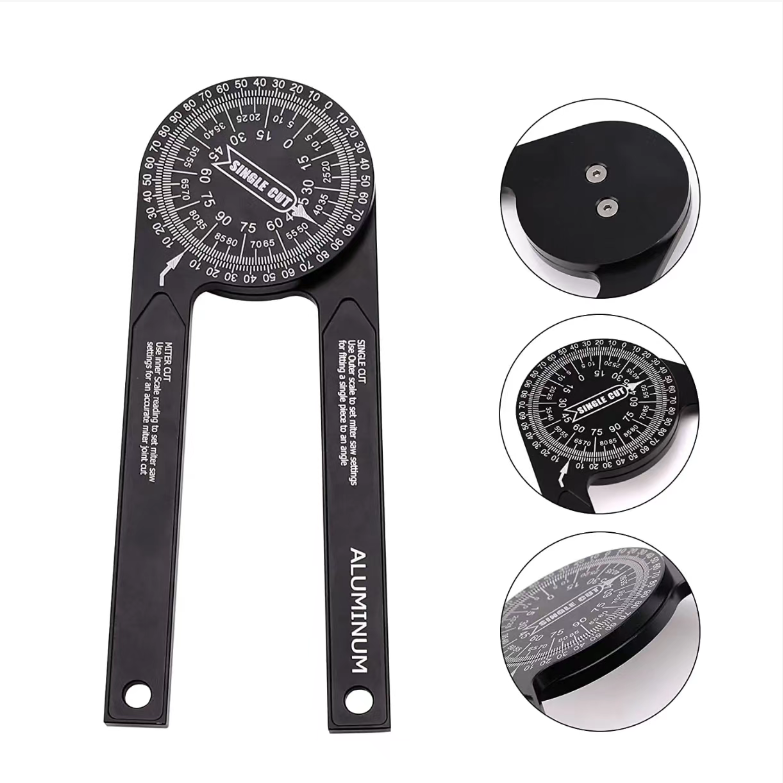
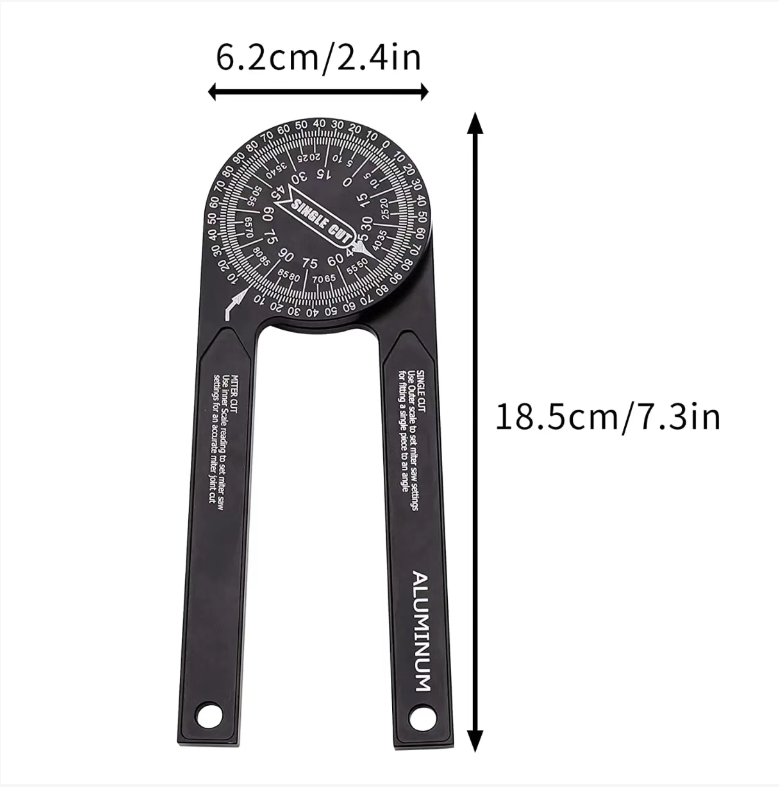 The carpenter's material cutting and sewing don't match up, the angle lines for decoration don't fit together and create large gaps, and DIY frame construction is crooked - if the angles aren't measured accurately, all the good skills will be wasted. This level angle gauge is a small gadget that keeps the "precise angles" in your pocket.
It understands "detail lovers": the scale is laser-engraved, unlike the printed scales that wear out after a few uses. No matter how many times you measure, the numbers remain sharp and clear, capable of precisely aligning to a difference of 0.5 degrees. When cutting wood boards, align the angle and then make the cut, the joints fit perfectly, and there's no need to repeatedly sand them smooth; when attaching the ceiling line, once the angle is measured accurately, the corner joints won't have any gaps, and it's ten times easier than "estimating the angle by feel". Even when attaching the corner line, once the angle is measured accurately, the corner joints won't have any gaps at all, and you don't have to switch tools or calculate the troublesome formula of "180 minus the angle".
The body is made of aluminum alloy, ten times more durable than plastic angle gauges - even if it's dropped on the construction site or scraped against the woodworking table, there will be few scratches. It's not the kind of "one-time tool" that becomes loose after just two uses. When stored in the toolbox for a long time, it still remains stable when taken out, and it won't have the problem of loose rotating shafts or off-angle like the plastic version.
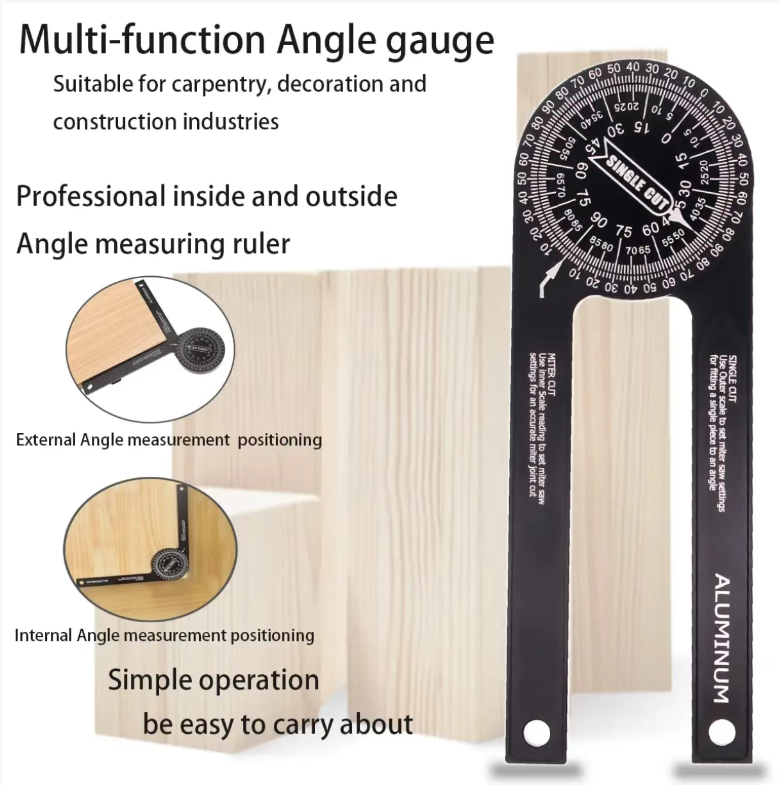
The most practical feature is "all-inclusive for both internal and external angles": when measuring the external angle of the frame, simply insert the gauge arm; when measuring the internal angle of the corner or the gap inside a cabinet, it can also fit tightly against the gap, without the need to switch tools or calculate the troublesome formula of "180 minus the angle". Novices can use it right away without having to memorize "angle conversion tables", saving learning costs and avoiding the hassle of rework. Whether it's a professional carpenter or a DIY enthusiast, it can be used together:
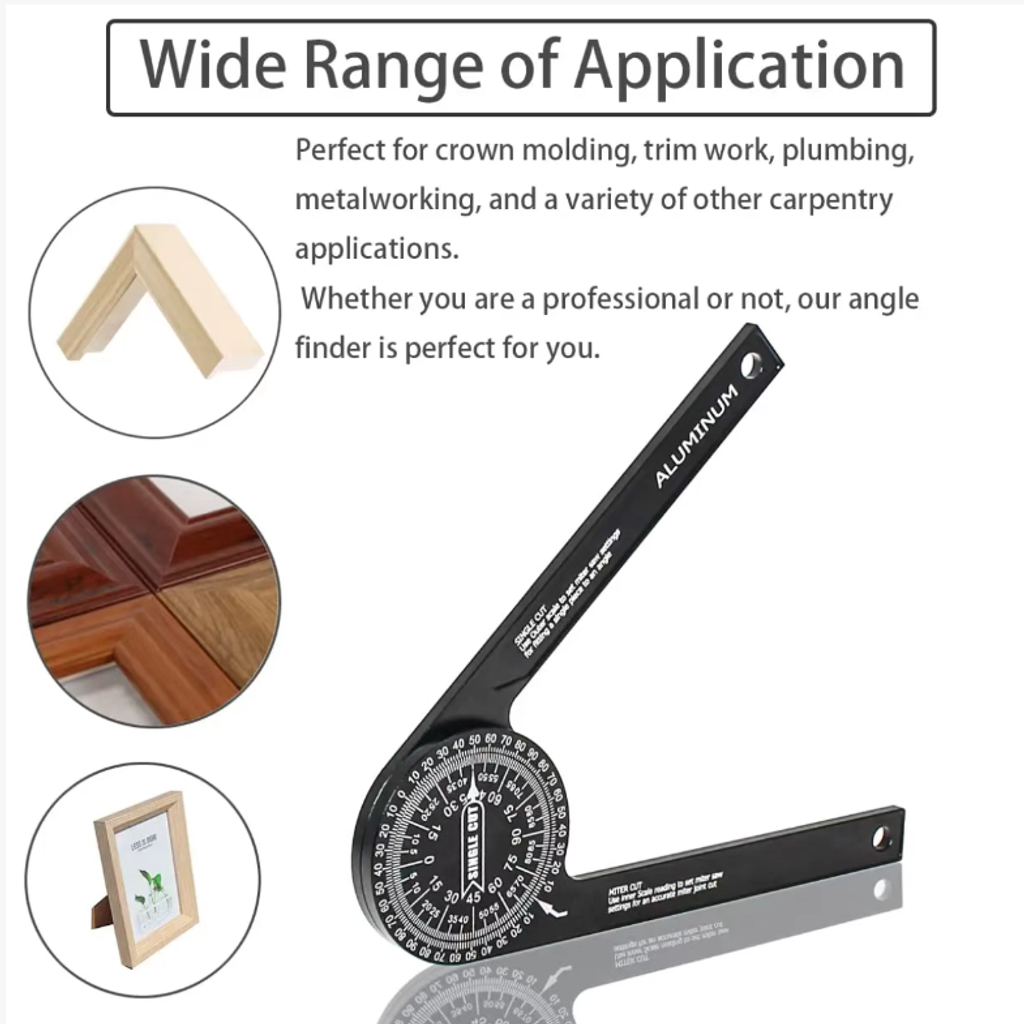
When doing the ceiling line for carpentry, align the angle and then connect the joints; at the corner joints, there won't be any gaps.
When attaching the skirting line for decoration, measure the angle of the corner accurately, and there's no need to repeatedly use a utility knife to repair the edges.
When assembling a picture frame with DIY, after measuring all four corners, they are all standard 90 degrees, and the picture frame can be placed stably without any wobbling.
When cutting pipe materials for metal processing, align the angle and then cut, and the joints will fit tightly.
It's small and a little wider than a mobile phone, fitting into the tool bag without taking up much space, and it's lightweight in hand. Unlike large angle gauges that need to be dragged around. During on-site work, just take it out and align it, without having to squat on the ground to compare with a protractor, saving time and reducing backache.
The precision of the craftsmanship often lies in the "a few degrees difference". With this level angle gauge, there's no need to rely on "feeling to estimate the angle" anymore. Both material cutting and joint assembly can be precisely executed - saving time and making the finished work more professional.
- {{p[0]}}: View image
- {{p[0]}}:
- Customization ID:{{item.custom_details?.id}}
- Preview design